First in-depth look at the updated Tesla Model Y
Precisely two weeks after it surfaced on t’internet, we’ve now had our first chance to poke around the refreshed Tesla Model Y ahead of its arrival in Europe in March. Fancy a game of Spot the Difference?
.png)
And by ‘refreshed’ we mean exactly that: this ‘new Model Y’ is in fact a mid-life facelift, and so all the Big Stuff – yup, motors and batteries – has been left well alone.
After 3.5 million sales in five years the name of the game for the best-selling car in the world is… efficiency. Not terribly exciting, but a raft of changes to the exterior have unlocked more range and more speed. We’ll get to the numbers shortly.
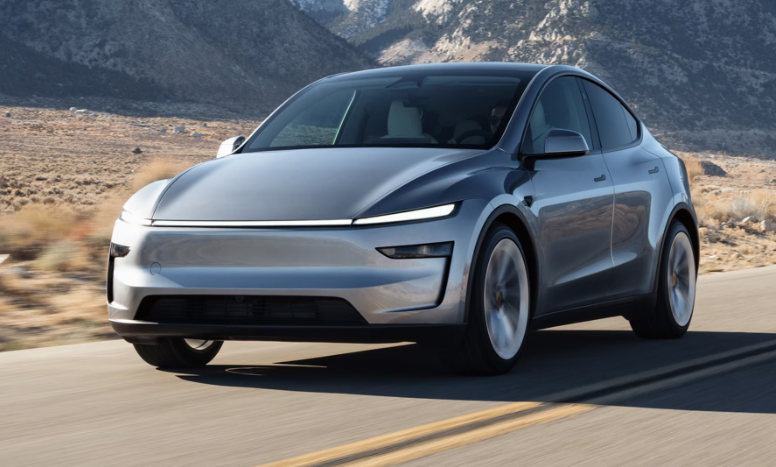
First, you’ll notice the headlights have been ditched in favour of a full-width, three-piece lightbar akin to the Cybertruck and Cybercab, sitting atop a new (and lower) nose complete with aero ducts for greater effi… yeah, that.
.png)
Hidden down there is a new front camera, which gets its own fluid washer and heating so that it, y’know, works in winter.
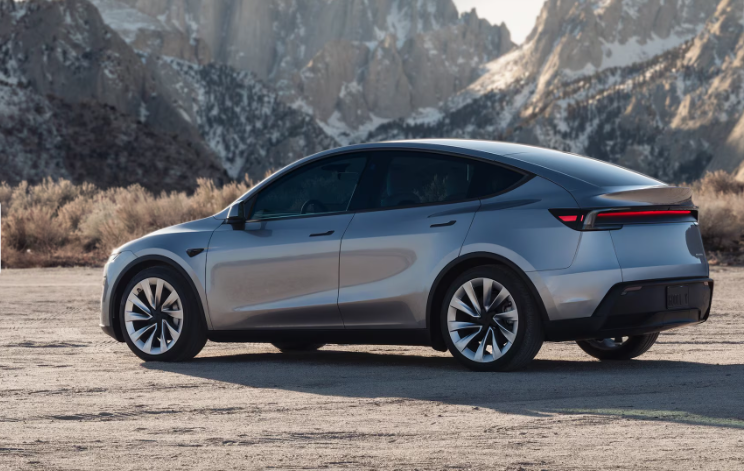
Meanwhile Tesla says the standard 19in wheels are better at slipping through the air, as are the redesigned tailgate, spoiler (made from advanced thermoplastics) and rear fascia. The diffuser is longer and wider, and adds downforce.
There’s another lightbar back here too, but this one’s a single-piece measuring 1.6m across and is actually hidden from view, so what you see is its reflection and not the light itself. Intriguing.
.png)
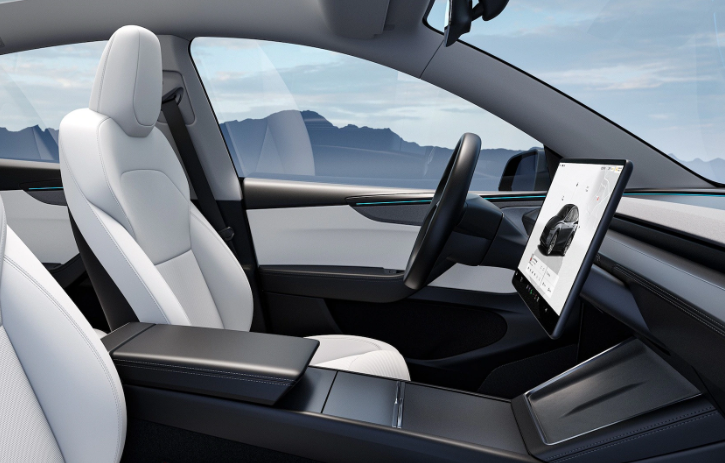
Inside, Tesla is promising more comfort than before, with front- and second-row seats (now all heated and ventilated for good measure) redesigned to offer more support. It has also stiffened the body, fiddled with the suspension geometry and borrowed damping tech from the latest Model 3 in an effort to improve the ride.
The Model Y ought to be quieter too, with acoustic glass used, er, everywhere, while extra sound-damping materials allegedly reduce road, impact and wind noise. Shh.
.png)
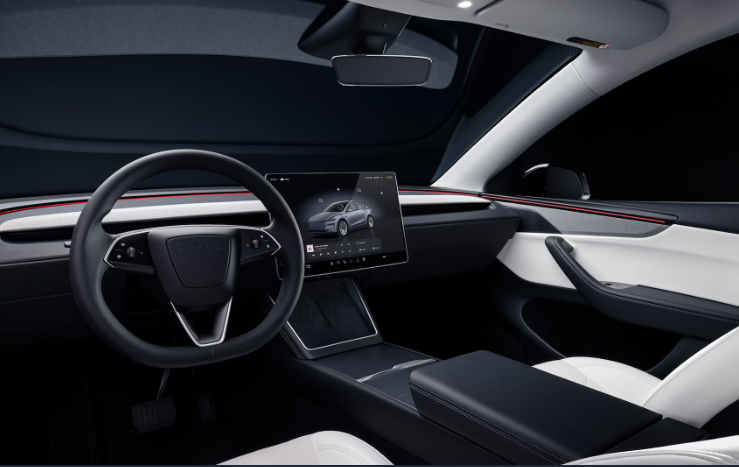
Oh, and your eyes are not deceiving you, there is – praise be! – an indicator stalk, rather than the steering wheel arrows that were so clumsily applied to the Model S. Seems like Tesla is listening to feedback. There is still a combination of haptic and physical buttons, but of course most of the features are scattered about the touchscreen anyway.